Wedding decor visualization
How to visualize wedding decor before you book or buy it
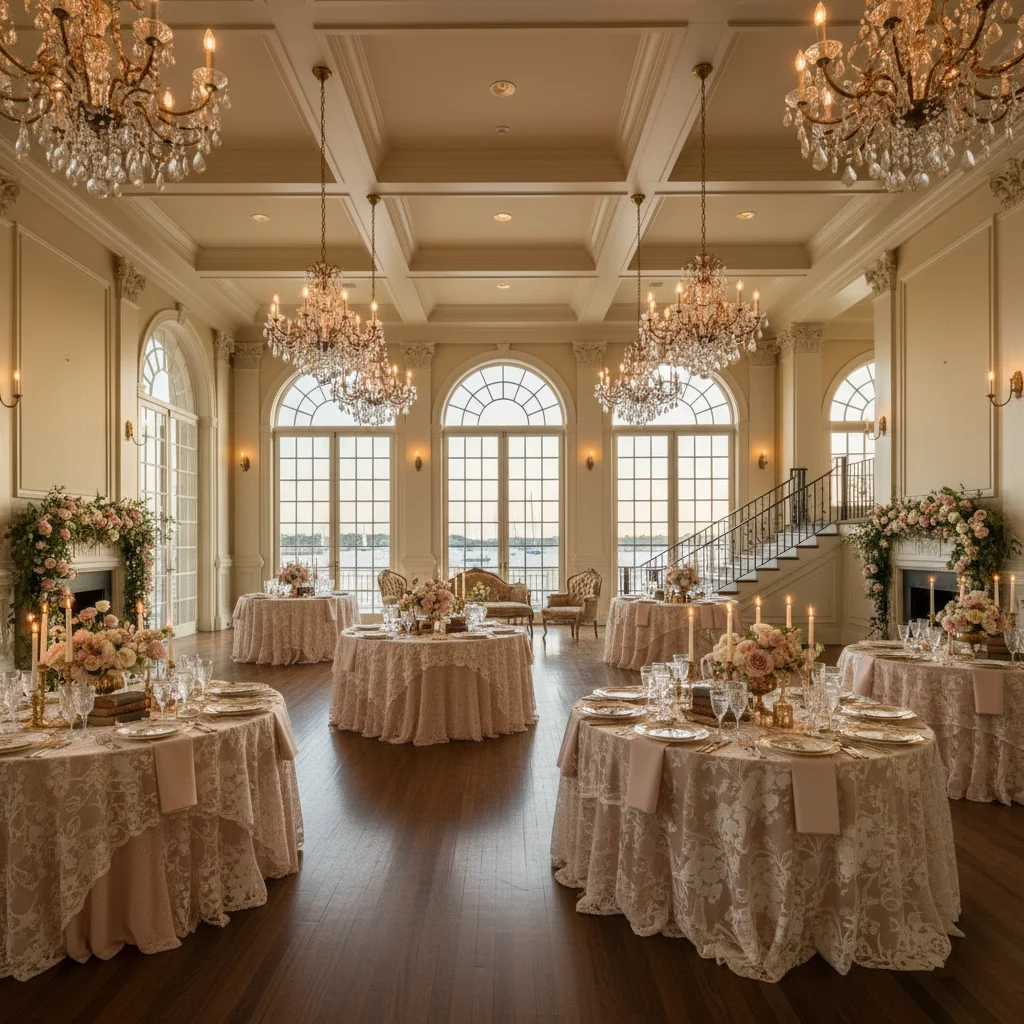
Wedding decor is difficult to judge from individual product photos. A centerpiece, linen color, or ceremony arch only makes sense in relation to the room. Use a photo of your venue to test the overall effect before you commit to rentals, flowers, or a styled installation.
What to do first
- Visualize the room, not an isolated centerpiece or product.
- Test the expensive, high-impact choices before small decorative details.
- Compare a full version with a simpler version to see what the room actually needs.
- Use the winning concept to ask vendors for feasible options and real quotes.
Why wedding decor is hard to picture
A rental catalog shows a chair against a clean background. A florist's portfolio shows flowers in another venue. Pinterest mixes budgets, climates, room sizes, and styled shoots. Your actual decision is whether those ingredients work together in the ceremony or reception space you chose.
Decor visualization gives you a shared picture before the pieces exist together. It can reveal that a strong venue needs less styling than expected, that a pale palette disappears against the walls, or that one lighting change matters more than extra flowers.
Start with venue constraints
Before generating a concept, list what cannot change: ceiling height, fixed furniture, floor color, window placement, rain-plan room, power access, open-flame rules, rigging points, and any required walkways. Ask the venue which parts of the room must remain clear and which installations need approval.
The visualization should work with those facts. If the venue does not permit candles, test warm rechargeable lights. If nothing can hang from the ceiling, move the visual emphasis to tables, the ceremony focal point, or freestanding lighting.
Visualize the biggest decisions first
Start with choices that affect the whole room or a meaningful part of the budget. Do not spend the first round choosing menu-card fonts. Compare table layout, lighting mood, linen color, centerpiece scale, ceremony focal point, and whether the room needs any overhead installation.
- Ceremony: aisle density, altar or arch scale, chair color, and the balance between flowers and the view.
- Reception: round versus long tables, linen tone, centerpiece height, and dance-floor placement.
- Lighting: daylight, candles, string lights, uplighting, or a warmer evening atmosphere.
- Focal features: sweetheart table, head table, bar, cake area, ceiling installation, or stage.
- Palette: how colors appear against the real walls, floor, wood, stone, and surrounding landscape.
Create three decor versions with clear budgets in mind
Visualize a full version, a focused version, and a minimal version. The full version can include the complete floral and lighting idea. The focused version should keep the two or three elements that create most of the effect. The minimal version lets the venue lead with only the details needed for warmth and cohesion.
These images are not quotes, but the comparison helps you decide where to request quotes. You may discover that lighting and linen color carry the reception, while extra flowers add little from a distance. Or the ceremony may need one strong focal arrangement rather than flowers along the entire aisle.
Check the concept from more than one angle
One hero image can hide practical problems. Visualize the entrance guests use, a wide view from the back of the room, and the view toward the focal point. For reception styling, consider how the room feels before guests enter, while seated, and once evening lighting takes over.
If you only have one venue image, treat the result as an early direction. Ask the venue for additional approved photos or take your own during a tour before making layout-dependent decisions.
Turn the decor image into a shopping and vendor list
Break the image into categories rather than trying to purchase an exact replica. List flowers and greenery, vessels, linens, place settings, candles or lights, furniture, signs, and installation requirements. Mark each item as essential, optional, already included, or needing a quote.
Share the concept with the relevant professional and explain the desired effect. A florist can recommend seasonal substitutions. A rental company can show the actual available linen and chair colors. A lighting team can tell you what warmth and coverage are possible. The image makes the conversation faster, while their expertise makes it real.
- Ask which part of the image creates most of the visual impact.
- Confirm exact quantities from the real floor plan and guest count.
- Request physical swatches for colors that need to match.
- Check setup time, delivery, labor, power, rigging, and removal requirements.
- Choose a backup for flowers or materials that may be seasonal or unavailable.
What an AI decor visualization cannot promise
A generated concept does not prove that a floral installation can support its own weight, that the room can hold the shown furniture, or that a particular flower is available. It may hide mechanics, change proportions, or create more light sources than you could install. It also cannot know your venue contract or local safety requirements.
Use the image to choose a direction, communicate taste, and identify questions. Use real measurements, samples, contracts, and professional advice for the final plan. When sharing a generated concept publicly, label it as AI visualization or inspiration rather than a photograph of a completed event.
Frequently asked questions
How can I see wedding decor in my venue before booking it?
Upload a clear photo of the ceremony or reception space to Wedding Studio AI, then describe the palette, flowers, lighting, tables, and focal decor you want to test. Generate a few distinct versions and discuss the strongest one with your venue and vendors.
Can AI tell me how much wedding decor will cost?
No. An AI visualization can help you decide which elements matter, but prices depend on quantities, materials, labor, season, location, delivery, installation, and venue rules. Use the concept to request accurate quotes.
Will AI wedding decor look exactly like the final setup?
No. Treat it as a visual direction, not a promise or technical plan. Confirm actual products, colors, measurements, construction, and availability with your vendors.